Culture Over the Safe Bet
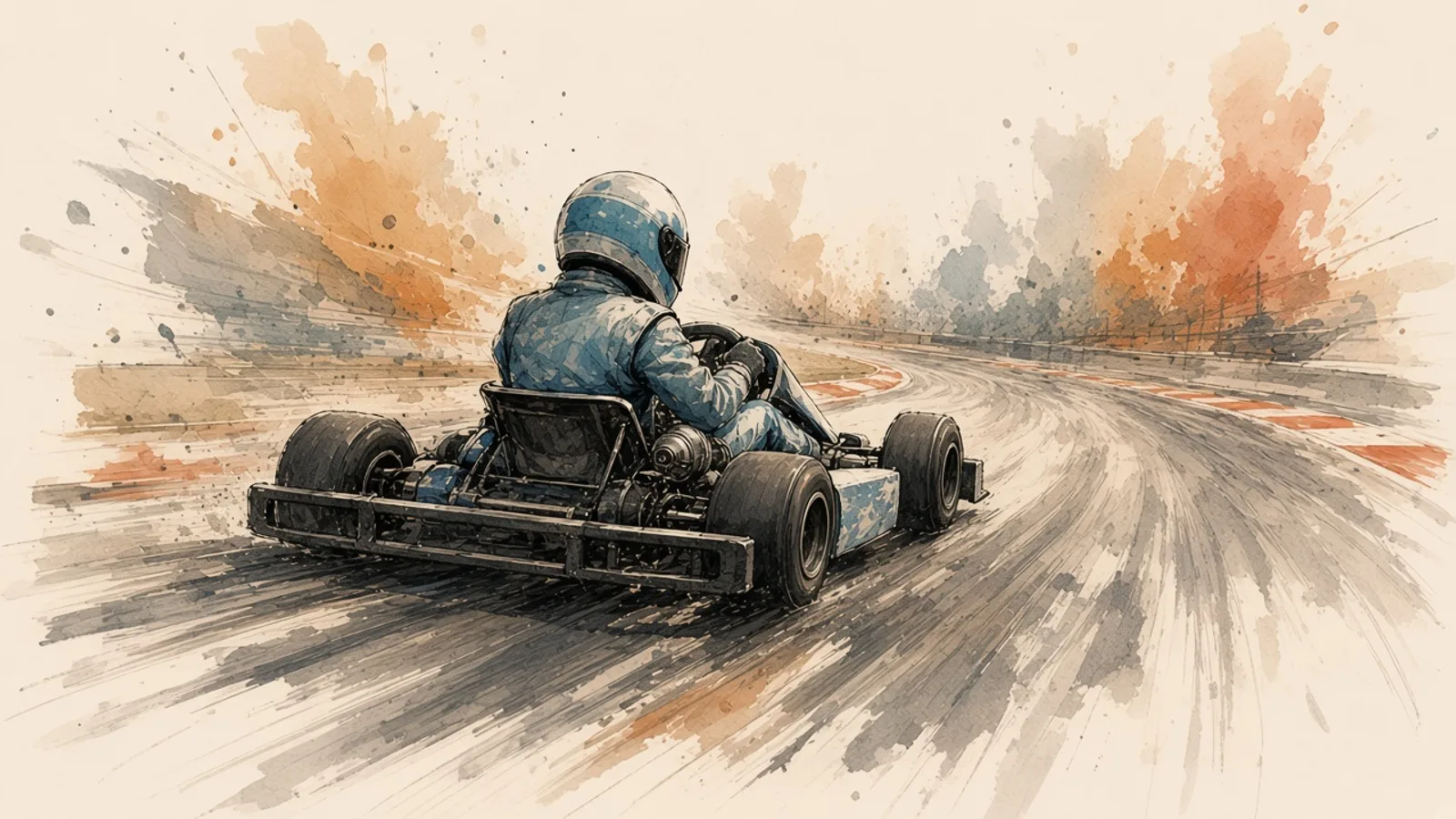
This is not a racing article. It is a story about what a leader does when the safe move is sitting right there — and they choose belief instead.
Toto Wolff has been one of the most successful team principals in Formula 1. Under his leadership, Mercedes won 8 consecutive Constructors’ Championships from 2014 through 2021, side by side with Lewis Hamilton, one of the greatest drivers the sport has ever seen. Then, in February 2024, Hamilton announced he would leave for Ferrari at the end of that season. Years of investment, chemistry, and shared identity walked across the garage to a rival.
In that moment, the “obvious” organizational move looked clear to almost everyone: replace a champion with another proven champion. Max Verstappen’s name floated everywhere. Mercedes explored the idea; Wolff was open about interest. But Verstappen was under a long Red Bull contract, and he was never really available for 2025. The marketable story was a star-for-star swap. The harder story was something else.
Jump back to 2023. My son told me Mercedes was looking at a junior driver — still waiting to turn 18 — as the eventual answer after Hamilton. I listened the way parents do when kids get ahead of the news. Then, piece by piece, it came true.
Why bet your name on a rookie?
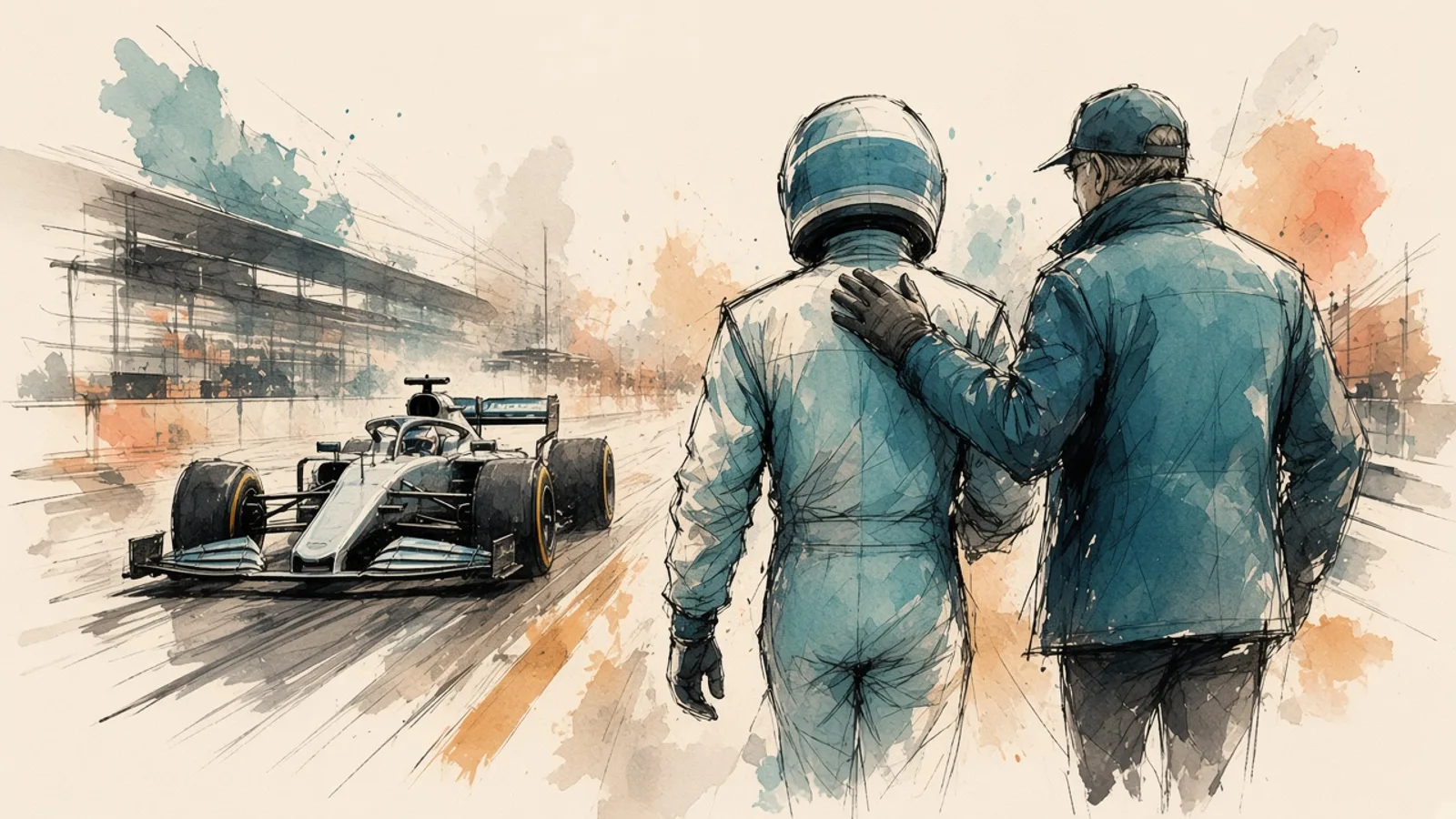
Why would you risk your reputation on a teenager in a seat that takes most people years to earn?
The answer is simpler than the noise around it, and it is why I love this story.
Good leaders believe in culture. They take risks because they know that under a healthy culture, risk is manageable. This was not a random gamble. Andrea Kimi Antonelli had been inside the Mercedes junior program since 2019, from about age 12. He grew through karting and the junior formulas with the team watching. After dominating Formula Regional in 2023, Mercedes skipped Formula 3 and put him straight into Formula 2 — a measured acceleration, not a lottery ticket. By the time Hamilton’s seat opened, the bet had been years in the making.
Antonelli arrived in Formula 1 in 2025 at 18 with something rare at that level: a clean slate. Not to prove a brand narrative overnight. To race, to learn, and to show that new talent can still matter when the environment is built for growth. His rookie season answered the skeptics with results — including podiums in Canada, Brazil, and Las Vegas, and a points haul that set a new mark for a first-year driver. The point was never that overnight magic replaces hard work. It was that patience and trust compound.
What Red Bull got right — and what patience adds
You might say Red Bull did something similar when they elevated Verstappen so young. Fair — and across Red Bull and its sister team, they are also known for swapping drivers mid-season, sometimes after just 2 races. Promoting talent early is not unique. What I keep coming back to is patience: results do not arrive on a press-release schedule, and if you create the environment — guidance, trust, room to fail and improve — success tends to grow. Without that patience, even gifted people get treated like spare parts.
Mercedes showed what happens when you foster an inspired driver with culture, coaching, and belief. Talent matters. Leaders need an eye for it. Call it 20% of the work. The other 80% is where you land: the support around you, and the space to grow as an expert — not as a tool that gets swapped the moment the numbers wobble.
Formula 1 is fascinating because everything looks larger than life. The cars, the technology, the money, the celebrities, and the pressure to win. From the outside, success seems reserved for people with extraordinary talent and unlimited resources. But behind all the glamour, Formula 1 faces the same leadership challenges we see in everyday organizations. People need guidance. Young talent needs opportunities. Mistakes happen, and confidence takes time to develop.
That is what makes Mercedes’ decision so interesting to me. In a sport where millions of dollars and reputations are on the line, Toto Wolff chose to invest in someone his organization had spent years developing. He trusted the people, the process, and the culture around Antonelli.
And perhaps that is the lesson worth taking beyond racing. You don’t need a Formula 1 team or a multimillion-dollar budget to become a better leader. You need to recognize potential, give people the support they deserve, and understand that growth takes time. Sometimes leadership is less about finding the perfect person and more about building an environment where people have a genuine opportunity to become their best.
The environment is the advantage
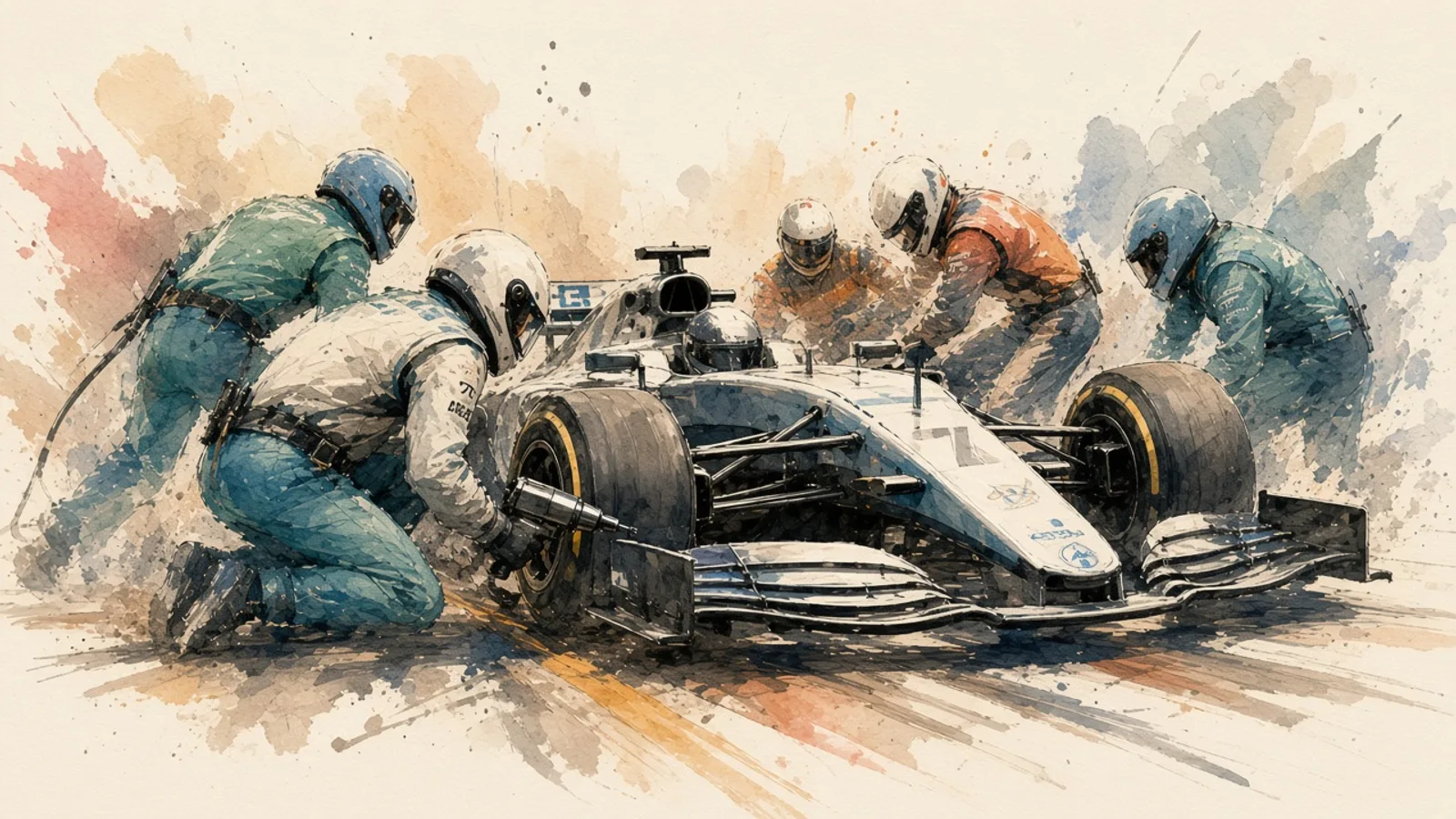
Formula 1 sells a certain mythology: aggressive, decisive, ruthless. The paddock’s own nickname is the Piranha Club — a place where power moves fast and mercy is scarce. It is an industry built on extreme engineering, money, and pressure that is hard to enter and harder to survive.
Mercedes schooled that mythology with a quieter lesson: the environment you build can matter more than the technology and the budget. Defend the conditions where people feel needed, cared for, and secure, and you give talent somewhere to become itself.
There is a line often attributed to Peter Drucker — the attribution is disputed, but the idea holds — that culture eats strategy for breakfast. Strategy still matters. Plans still matter. But without a culture that can carry them, even the cleverest plan never makes it off the grid.
Be the leader who protects the environment. Motivate. Make sure the people around you feel needed, cared for, and safe enough to grow. That is how organizations compound — not by always buying the loudest name, but by believing in the people you have been building all along.
My son saw the potential in Antonelli before I did. I was watching the racing. He was watching the talent. Looking back, I think we were both learning something about leadership. Sometimes the greatest investment a leader makes isn’t in the person with the biggest reputation. It’s in someone who simply needs an opportunity, a little patience, and a leader willing to believe in them.
As I write this on October 29, 2026, Antonelli is having an extraordinary season — leading the championship after 9 wins, with the title fight still mathematically open but his to lose. This weekend in Mexico City, he could seal the World Drivers’ Championship. That is what patience and culture look like when they are given time to compound.